On Friday 14 March, 180 professionals from across the UK’s employment & skills and health sectors came to Crowne Plaza Royal Victoria Sheffield for Work and Health: Innovation in Practice, a national conference designed to promote greater integration of services and excellence in delivery within the sector.
Morning session
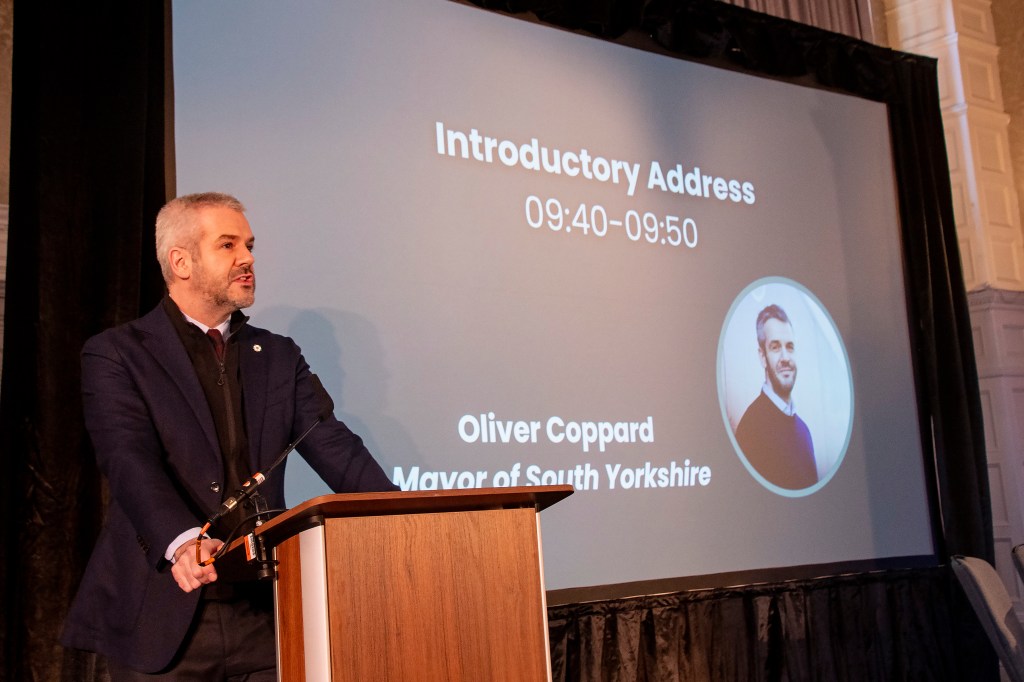
Oliver Coppard, the Mayor of South Yorkshire, welcomed delegates to the event, reflecting on the challenges the health and employability sectors face both regionally and nationally. He brought these ideas to life with a story about a friend who had hopes of becoming a professional athlete but whose undiagnosed heart condition meant he was unable to realise his dreams.
The Mayor reflected on the interrelationship between work and health in responding to the needs of residents, providers, employers and referrers, before ending with a more hopeful story about a friend who received the support he needed to succeed.
The first keynote speaker was Lorraine Jackson CBE, Director of the Government’s Joint Work and Health Directorate. The Department for Work and Pensions and Department of Health and Social Care’s Joint Work and Health Directorate was set up in 2015 to recognise the significant link between work and health a co-ordinate policy between these areas.
Lorraine highlighted that 2.8 million (30%) of the economically inactive population are not in work due to long-term sickness, while 10.4 million people with long-term health conditions are in work. She highlighted the various programmes that help people return or stay in work including Occupational Health, WorkWell, Employment Advisors in NHS Talking Therapies, Fit Note Reform and more. She also talked about future programmes including Connect to Work, Trailblazers, NHS Growth Accelerators and the Keep Britain Working Review.
This was followed by a panel discussion where Greg Fell, Director of Public Health at Sheffield City Council, and Adam Whitworth, Professor of Employment Policy at University of Strathclyde, joined Lorraine to discuss the points she had raised. Adam reinforced that the “local needs to do what the central cannot.”
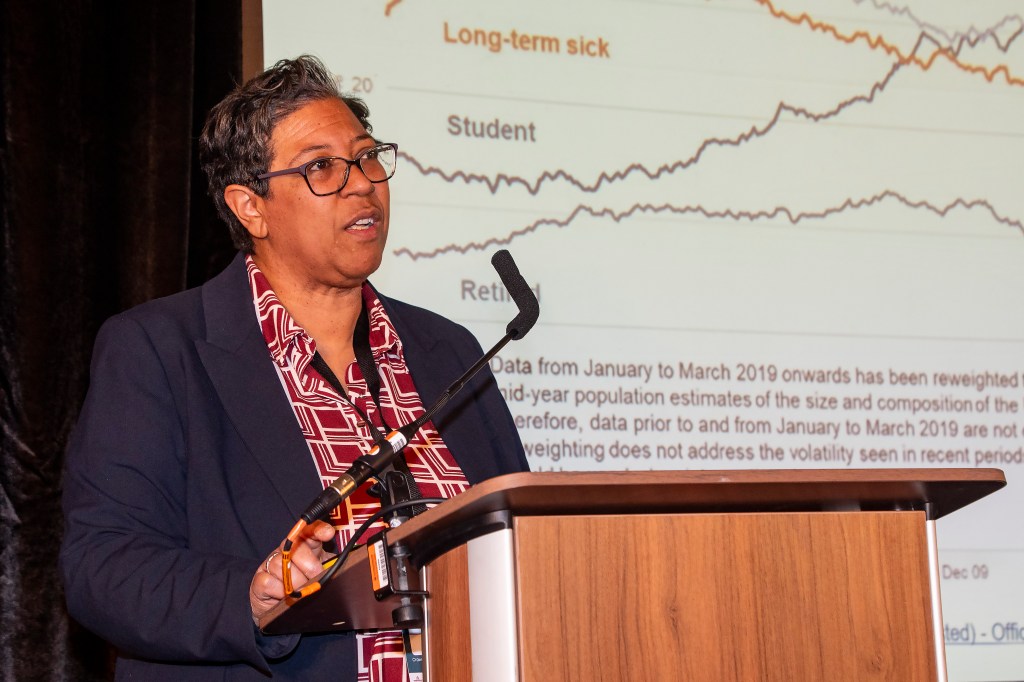
The Right Honourable Alan Milburn, Chair of the Pathways to Work Commission, delivered the next address, exploring the various challenges posed by high levels of economic inactivity. Following an introduction from Barnsley’s Council’s Chief Executive Sarah Norman, the former Labour Minister highlighted a survey that showed 7 in 10 people classed as “unfit to work” would like a job and explored how South Yorkshire’s Pathways to Work initiative will aim to support these progressions. Alan also spoke of the rise of mental health diagnosis in young people and the need to help residents build resilience.
In the ensuing panel discussion chaired by Kate Josephs, Chief Executive at Sheffield City Council, Fliss Miller, Director of Skills at SYMCA, and Sir Stephen Houghton, Leader of Barnsley Metropolitan Borough Council, further discussed the upcoming regional response to economic inactivity through Pathways to Work, which will aim to bring about system change in the fields, of employment, skills and health.
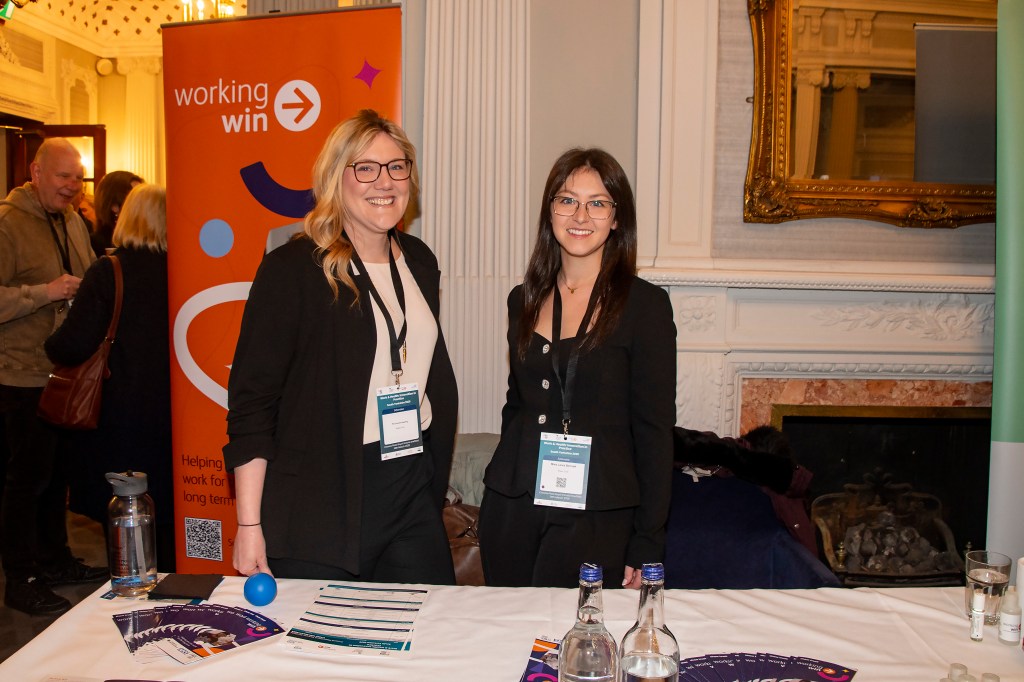
This was followed by a break, where delegates were able to network and speak to local exhibitors from The Shaw Trust (Working Win), South Yorkshire Housing Association (Good Work), Local Supported Employment South Yorkshire, Employment is for Everyone, Sheffield Health and Social Care NHS Foundation Trust, Sheffield Occupational Health Advisory Service, Autism Plus, Down2U and Be Well at Work.
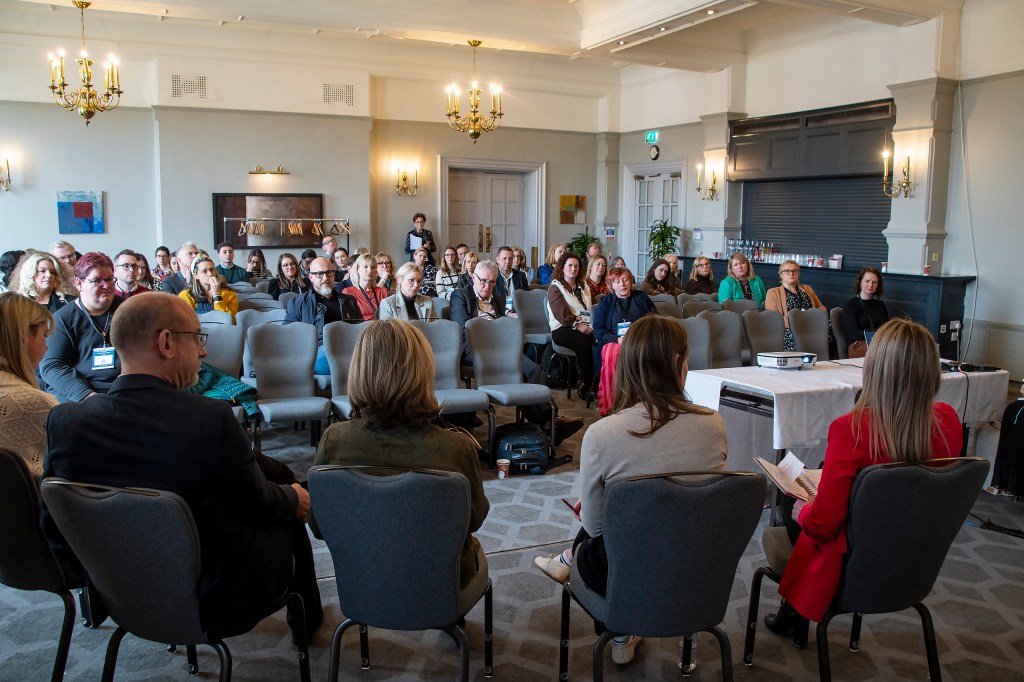
For the final morning session, delegates had a choice of one four workshops for more focused presentations and discussions. Nick Pearson, CEO of SOHAS hosted a session on Job Retention and Occupational Health in South Yorkshire, while Des Loughney and Terry Anderson from Edinburgh’s Support@Work Edinburgh project spoke about the role of Trade Unions and what we can learn from their employment rights and responsibilities project.
In the main Ballroom, there was a panel discussion on ‘How Individual Placement and Support in Primary Care (IPSPC) and Supported Employment can break down barriers to the labour market’, while in the Assembly Room, Diana Buckley, Director of Economy, Skills and Culture at Sheffield City Council, led a panel discussion about the role of employers in achieving a healthier and more inclusive workplace.
Afternoon session
After lunch, esteemed government advisor Dame Carol Black GBE delivered an address on The Health Foundation’s recommendations around health and work. She spoke about the importance in the employer’s role in keeping employees in work and the importance of giving employees “the right support at the right time.”
The fourth keynote speaker was Dr John Ballard, Director of The At Work Partnership, who gave a colourful address on occupational health and the importance of defining and addressing wellbeing in the workplace.
In the afternoon workshop session, delegates chose between ‘The impact of Artificial Intelligence on workplaces and workforces’, with a panel chaired by Nichola Corrigan, Health & Wellbeing Programme Manager at the Department of Health and Social Care. This session explored how AI can empower rather than replace employees, and explored concerns over the displacement of people by technology.
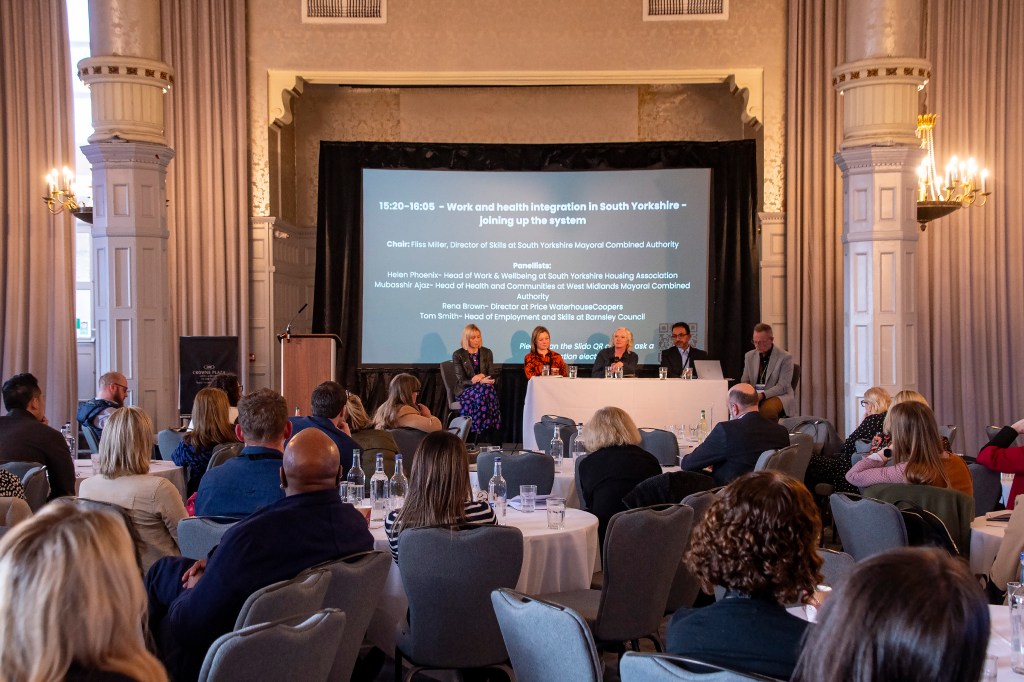
Next door, members of the Work and Health integration in South Yorkshire panel, chaired by Fliss Miller, discussed how joining up provision and simplifying the system can result it better outcomes for participants. This session drew on local and regional experience in South Yorkshire, which is one of the areas currently running a WorkWell pilot.
Work and Health: Innovation in Practice was organised by the Local Integration Boards for Work and Health in Barnsley, Doncaster, Rotherham and Sheffield, in partnership with South Yorkshire Mayoral Combined Authority.
The event was funded by the Working Win Individual Placement and Support in Primary Care programme, commissioned by the Department for Work and Pensions.
We’d like to extend heartfelt thanks to all those who contributed to the day, by organising, exhibiting or attending.
 teacakeclub.org